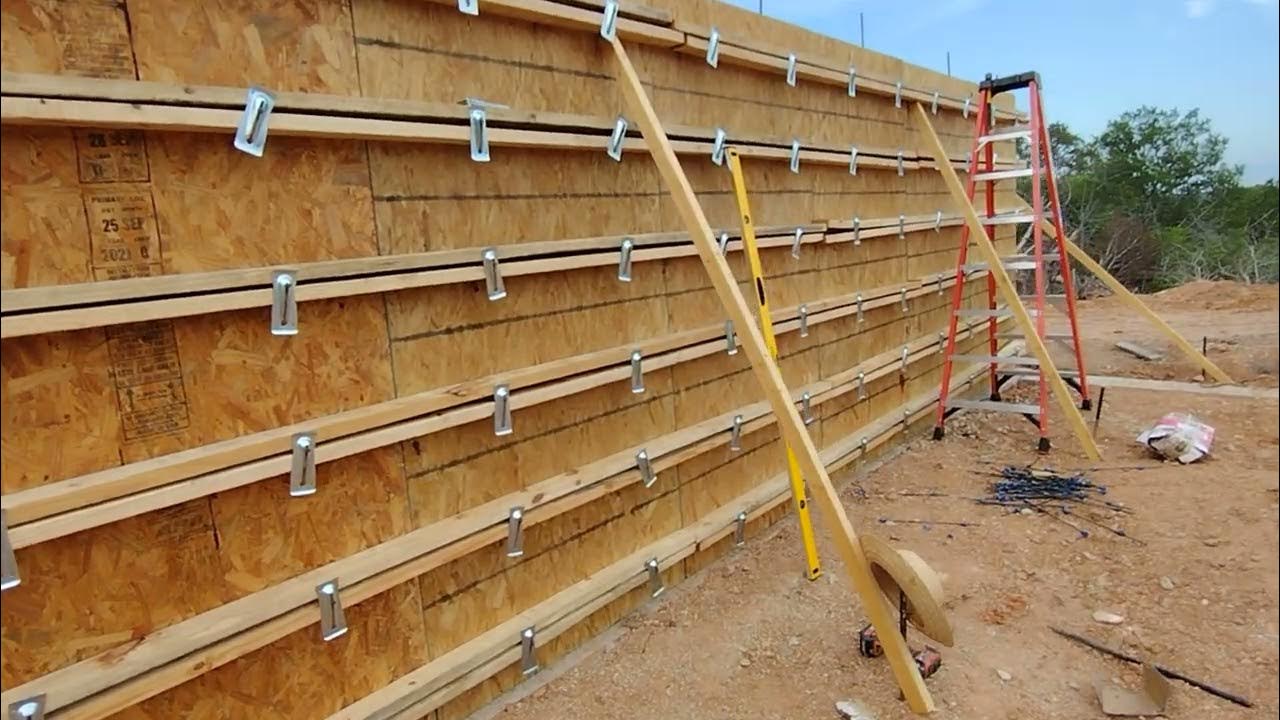
This guide breaks down what to buy, what to avoid, and how to match a sheet to the job without overthinking it.
What is concrete form plywood, and why does it matter?
Concrete form plywood is a panel made to hold wet concrete until it cures. It matters because the sheet controls three things at once: form strength, concrete finish quality, and how many times they can reuse the panels.
Regular construction plywood can work for a one-off pour, but it often swells, telegraphs grain, or delaminates faster when exposed to moisture and alkaline concrete.
Which plywood types are actually used for concrete forms?
Most projects fall into three common options: standard exterior plywood, HDO, and MDO. The best choice depends on finish expectations and reuse cycles.
- Exterior plywood (Exposure 1/Exterior): Cheapest, fine for basic pours, but fewer reuses and more patching.
- MDO (Medium Density Overlay): Resin-treated paper face, decent smoothness, good for moderate reuse.
- HDO (High Density Overlay): Hard, durable overlay for the smoothest finish and the highest reuse potential.
If they need consistently smooth architectural concrete, HDO is usually the safer bet.
How should they choose the right thickness?
Thickness is mainly about deflection under load. If the sheet bends, the wall bows, and the finish suffers.
As a practical baseline:
- 1/2 in (12 mm): light-duty forms, small pours, tight stud spacing.
- 5/8 in (16 mm): common middle ground for walls and moderate pressures.
- 3/4 in (18–19 mm): most common for wall forms and repeated use.
- 1-1/8 in (28 mm): heavy-duty systems, high pour rates, long spans.
They should match thickness to the formwork design, stud spacing, and expected concrete pressure, not just “what they used last time.”
What face overlay or coating should they look for?
The face is what the concrete “sees,” so it drives the finish and reuse count.
- No overlay (bare wood) leaves grain imprint and absorbs water. It needs more release agent and more maintenance.
- Phenolic film-faced plywood resists moisture and creates a smoother surface. It is common in formwork.
- MDO/HDO overlays are designed specifically for repeated contact and clean release, with HDO generally lasting longer.
If they want fewer blowouts, less patching, and easier stripping, a film-faced or HDO-style surface is usually worth the extra cost.
How can they tell if a sheet is strong enough for formwork?
They should look for exterior-rated bonding, solid veneers, and consistent core quality. Weak cores lead to voids, crushed edges, and localized bulging.
Quick checks that often reveal quality:
- Panel grade and bond: exterior bond or equivalent; avoid interior glue.
- Core gaps/voids: fewer voids generally means better load distribution.
- Edge integrity: crumbly edges often signal low-density core.
- Flatness: warped sheets fight alignment and increase labor.
If the supplier cannot clearly state the bond type and intended use, they should treat it as a red flag. Check out more about scaffold shade cloth: improving safety and site compliance.
What does “B-B,” “B-C,” or “form grade” mean in real terms?
Face grades describe surface appearance, not just strength. For concrete, face quality affects patching time and finish uniformity.
- B-B: smoother faces on both sides, better for visible concrete.
- B-C: one better face and one utility face, common for non-architectural work.
- Form grade/film-faced: optimized for forming, often with a coated face and better moisture resistance.
If they only care about structure and not appearance, B-C or basic form panels can be fine. If the concrete is exposed, they should pay for better faces.
How many reuses should they expect from different sheets?
Reuse is where “cheap” panels become expensive. A lower-cost sheet that fails early can cost more through labor, delays, and finish repairs.
Typical expectations (highly dependent on handling, release agent, and weather):
- Basic exterior plywood: a few uses, often with swelling and patching.
- MDO: moderate reuse with better consistency.
- HDO or quality film-faced panels: higher reuse, often the best long-term value for crews forming regularly.
They should decide upfront whether the job is a one-time pour or part of a repeat forming cycle.
What size sheet should they buy for walls, slabs, or columns?
Sheet size affects seams, layout speed, and tie pattern planning.
- 4×8: easiest to source, flexible for small crews and mixed conditions.
- 4×10 / 4×12: fewer horizontal joints on taller walls, often faster when cranes or panel systems are available.
- Custom-cut panels: best for repeatable layouts, but only if they can protect edges and store them properly.
If they are fighting visible seam lines, upsizing panels can help more than switching grades.
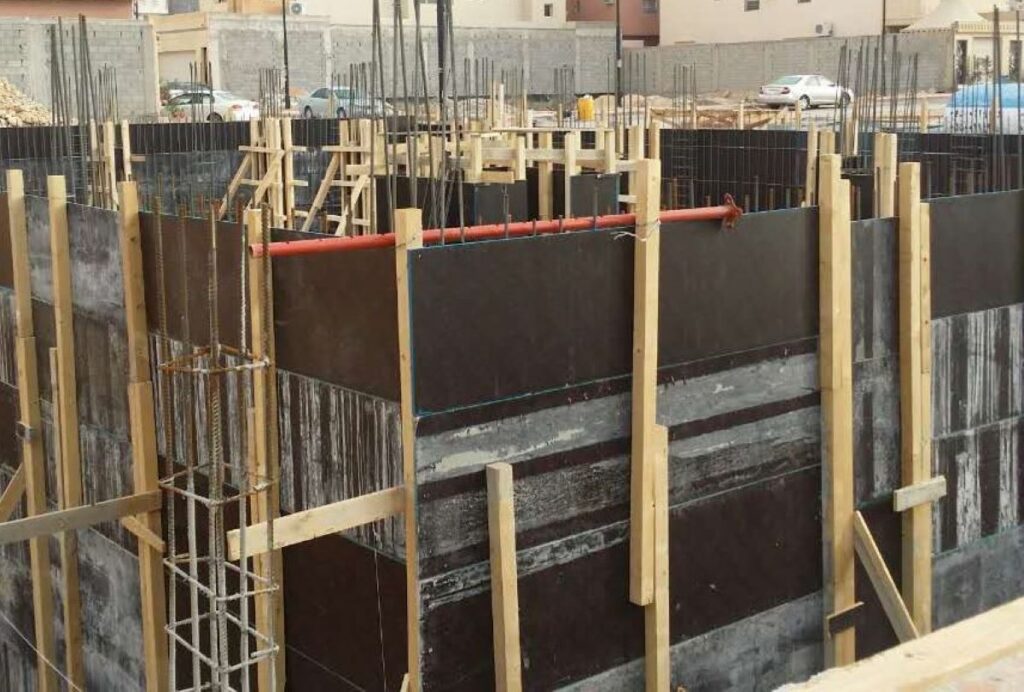
How should they handle edges, sealing, and release agents?
Most panel failures start at the edges. If water enters the core, the sheet swells and delaminates.
Best practices that extend life:
- Seal edges with a compatible edge sealer or coating, especially on film-faced panels.
- Use the right release agent and apply it evenly; too much can stain, too little can tear the face.
- Avoid prying damage by stripping correctly and using proper wedges.
- Store flat and dry to prevent warping.
If they want more reuses, edge sealing and careful stripping usually matter as much as the panel grade.
What’s the simplest way for them to pick the right sheet?
They should choose based on finish requirement, expected reuse, and job conditions, in that order. For utility pours, exterior plywood may be enough. For exposed concrete and repeat pours, HDO or quality film-faced panels typically pay back quickly.
A simple rule set:
- One-off, non-visible concrete: exterior plywood can work.
- Moderate reuse and decent finish: MDO or film-faced.
- High reuse, smooth architectural finish: HDO.
The “right” sheet is the one that hits their finish target with the least rework and the most predictable reuse.
FAQs (Frequently Asked Questions)
What is concrete form plywood and why is it important for construction projects?
Concrete form plywood is a specially designed panel used to hold wet concrete until it cures. It is crucial because it controls form strength, concrete finish quality, and the number of times panels can be reused. Unlike regular construction plywood, it resists swelling, grain telegraphing, and delamination caused by moisture and alkaline concrete.
Which types of plywood are best suited for concrete forms?
The most common plywood types for concrete forms are standard exterior plywood, Medium Density Overlay (MDO), and High Density Overlay (HDO). Exterior plywood is cost-effective for basic pours but has limited reuse. MDO offers a resin-treated paper face for moderate smoothness and reuse, while HDO provides a hard, durable overlay for the smoothest finish and highest reuse potential, ideal for architectural concrete.
How do I choose the right thickness of plywood for my concrete formwork?
Plywood thickness should be selected based on deflection under load to prevent wall bowing and finish defects. Typical thicknesses include 1/2 inch for light-duty forms with tight stud spacing; 5/8 inch as a middle ground; 3/4 inch as the most common choice for walls and repeated use; and 1-1/8 inch for heavy-duty systems with high pour rates or long spans. Match thickness to your formwork design, stud spacing, and expected concrete pressure rather than defaulting to previous choices.
What face overlays or coatings improve concrete form plywood performance?
Face overlays significantly affect the finish quality and reuse count. Bare wood leaves grain imprints and absorbs water, requiring more maintenance. Phenolic film-faced plywood offers moisture resistance and smoother surfaces common in formwork. MDO and HDO overlays are designed for repeated contact and clean release, with HDO lasting longer. Using film-faced or HDO surfaces reduces blowouts, patching needs, and facilitates easier stripping.
How can I assess if a plywood sheet is strong enough for concrete formwork?
Look for exterior-rated bonding with solid veneers and consistent core quality to avoid voids, crushed edges, or bulging. Check panel grade and bond type—exterior bond or equivalent is essential; avoid interior glue. Inspect core gaps or voids (fewer is better), edge integrity (avoid crumbly edges), and flatness (warped sheets cause alignment issues). Suppliers should clearly state bond type and intended use; lack of this information is a red flag.
What do face grades like B-B, B-C, or form grade mean in the context of concrete form plywood?
Face grades describe surface appearance impacting patching time and finish uniformity rather than just strength. B-B grade has smoother faces on both sides suitable for visible concrete surfaces. B-C has one good face and one utility face, common in non-architectural applications. Form grade or film-faced panels are optimized for forming with coated faces offering better moisture resistance. For exposed concrete finishes, investing in higher-grade faces improves appearance.