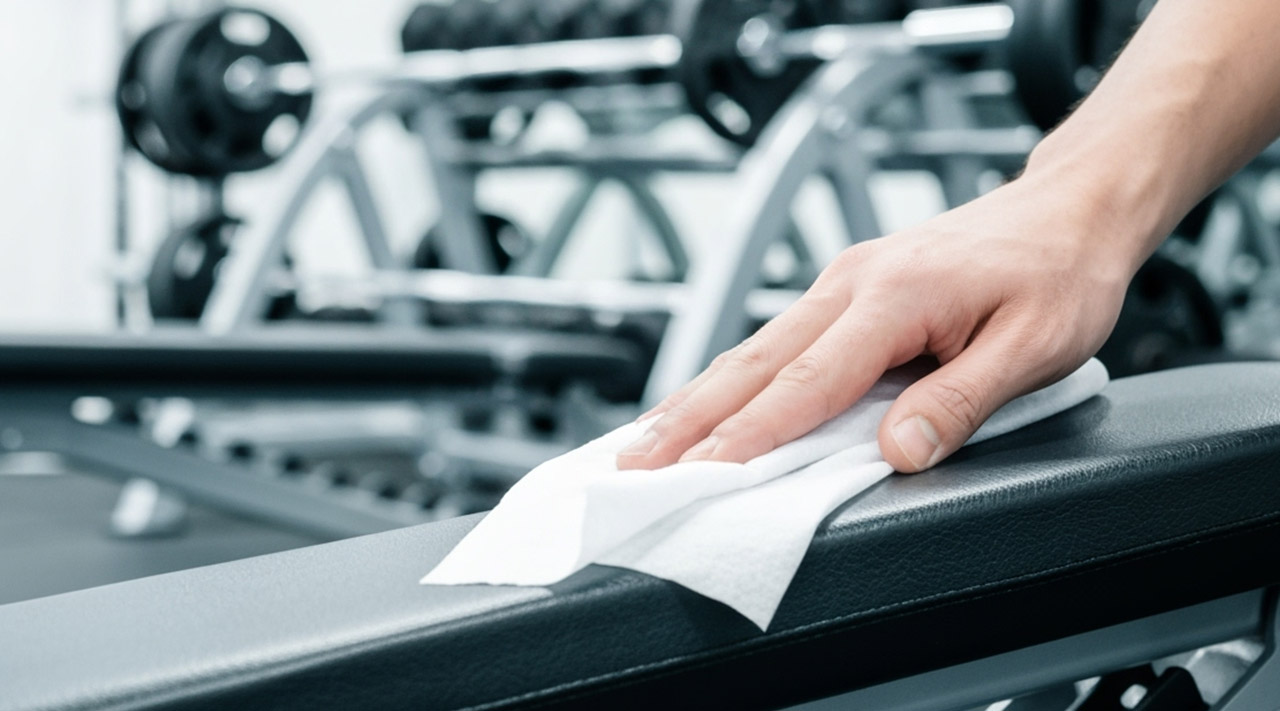
The simplest way to keep standards high is to treat cleaning like an operational system, not a once-a-day task. That means clear zones, timed routines, the right chemicals, and staff accountability.
What makes gym hygiene harder in high-use Sydney facilities?
They face continuous recontamination. Every hour, hands return to dumbbells, pins, touchscreens, door handles, and benches, which means “clean” rarely stays clean for long.
For gym cleaners, moisture and poor airflow add another challenge. Humidity in change rooms, bathrooms, and group studios can accelerate odours and microbial growth if surfaces are not dried and disinfected correctly.
Which gym areas should they prioritise first?
They should prioritise high-touch points and wet zones. These are the most likely to spread germs and create odours.
Top priority areas include: cardio consoles, free-weight handles, bench vinyl, cable attachments, locker handles, water fountains, reception counters, EFTPOS terminals, toilets, showers, and sauna or steam room touchpoints.
How often should they clean during operating hours?
They should run a “clean-as-they-go” schedule, not a single nightly clean. In busy periods, many touchpoints need attention at least every 1–2 hours.
A practical approach is hourly wipes for cardio and reception, mid-shift resets for weights and functional zones, and frequent bathroom checks. If staff can’t keep up, it usually signals the roster is under-sized for the traffic.
What is the best way to disinfect gym equipment without damaging it?
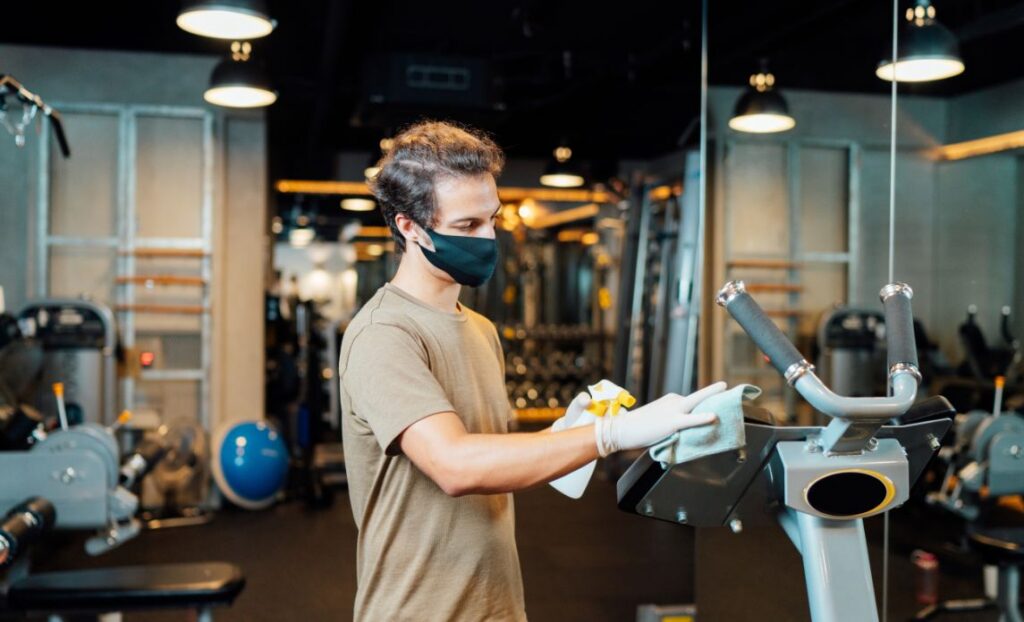
They should use manufacturer-safe, gym-suitable disinfectants and avoid over-wetting electronics. The goal is effective contact time without corrosion or residue.
Microfibre cloths, colour-coded by zone, reduce cross-contamination. Cardio screens should be wiped with a compatible disinfectant wipe or lightly sprayed cloth, not sprayed directly. Upholstery should be cleaned with products designed for vinyl, then disinfected.
How can they control odour and sweat build-up long term?
They should focus on three levers: fast sweat removal, regular deep cleaning, and better drying. Odour often comes from bacteria trapped in textured flooring, mats, bench seams, and poorly ventilated corners.
They can reduce build-up by laundering towels and mop heads daily, cleaning rubber flooring with the right degreaser, and scheduling periodic extraction or scrubbing for porous surfaces. Fixing ventilation and using dehumidification in wet areas can make a visible difference.
What should a daily gym cleaning checklist include?
They should document tasks by zone and assign times, not just “clean the gym.” A checklist is only useful if it is specific enough to audit.
A strong daily list usually includes: disinfecting high-touch points, spot-cleaning mirrors and glass, emptying bins, restroom sanitising, refilling soap and paper, floor sweeping and mopping by zone, cleaning spills immediately, and end-of-day full reset of weights, benches, and mats. Learn more about “Childcare Centre Cleaning Sydney: What Regulations Must Centres Follow?”.
How should they handle change rooms, toilets, and showers safely?
They should treat wet areas like healthcare-lite spaces. These zones need proper disinfectants, descaling where required, and consistent restocking to prevent members improvising hygiene.
They should clean from high to low, then finish floors last. Toilets, taps, flush buttons, shower handles, and locker fronts should be disinfected with correct dwell time. Floors should be cleaned with separate tools from training zones to avoid spreading bathroom germs.
What does a “deep clean” look like for a busy gym?
They should plan a deep clean weekly or fortnightly depending on foot traffic. Deep cleaning targets what daily cleans miss: grime in corners, under equipment, and inside vents.
It typically includes moving equipment to clean underneath, detailed scrubbing of rubber flooring, cleaning fan covers and vents, descaling showers, washing walls in splash zones, detailed cleaning of upholstery seams, and sanitising storage racks and rarely touched accessories.
How can they improve member participation without relying on trust?
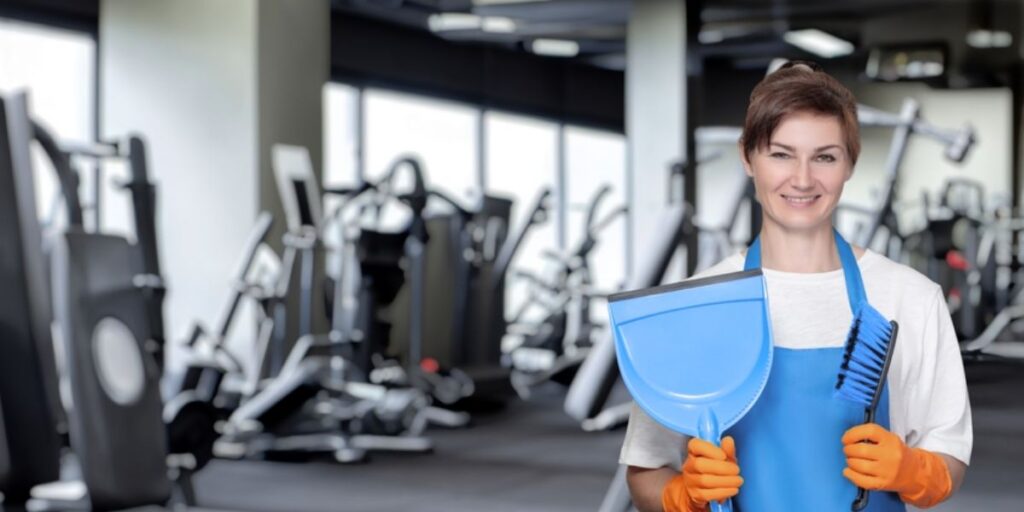
They should make member wipe-downs easy and visible. Most members comply when supplies are accessible and the expectation is reinforced.
They can place wipe stations at zone entrances, keep dispensers stocked, use simple signage, and train staff to do quick “reset wipes” while greeting members. If wipes run out or bins overflow, compliance collapses even with good intentions.
When should they hire professional gym cleaners in Sydney?
They should consider professionals when traffic is high, staffing is stretched, or hygiene issues keep recurring. A reliable cleaning partner can also help with after-hours resets, periodic deep cleans, and compliance documentation.
Professional gym cleaning in Sydney is especially useful for 24/7 sites, multi-level facilities, and gyms with saunas, group studios, or high-traffic amenities where specialist chemicals and consistent auditing matter.
How can they tell if their current cleaning plan is working?
They should measure results, not effort. If the gym smells clean, touchpoints feel residue-free, bathrooms stay dry and stocked, and complaints trend down, the plan is likely working.
They can also track simple indicators: refill rates for soap and wipes, bin overflow frequency, member feedback, slip incidents, and periodic spot checks. If issues repeat in the same zones, the schedule or methods need adjustment, not more vague reminders.
FAQs (Frequently Asked Questions)
What challenges do high-use gyms in Sydney face regarding hygiene?
High-use gyms in Sydney deal with constant sweat, shared touchpoints, and fast member turnover, leading to continuous recontamination. Moisture and poor airflow in areas like change rooms and bathrooms can accelerate odours and microbial growth if not properly managed.
Which gym areas should Sydney gyms prioritise for cleaning?
Gyms should prioritise high-touch points and wet zones such as cardio consoles, free-weight handles, bench vinyl, cable attachments, locker handles, water fountains, reception counters, EFTPOS terminals, toilets, showers, and sauna or steam room touchpoints to effectively control germ spread and odour.
How often should cleaning be conducted during gym operating hours?
A ‘clean-as-they-go’ schedule is recommended with many touchpoints cleaned at least every 1–2 hours during busy periods. This includes hourly wipes for cardio and reception areas, mid-shift resets for weights and functional zones, and frequent bathroom checks to maintain hygiene standards.
What is the best method to disinfect gym equipment without causing damage?
Use manufacturer-safe disinfectants suitable for gyms and avoid over-wetting electronics. Employ microfibre cloths colour-coded by zone to reduce cross-contamination. Cardio screens should be wiped with compatible disinfectant wipes or lightly sprayed cloths rather than spraying directly. Upholstery requires cleaning with vinyl-specific products followed by disinfection.
How can gyms control odour and sweat build-up in the long term?
Control odour by focusing on fast sweat removal, regular deep cleaning, and improved drying. This includes laundering towels daily, cleaning rubber flooring with appropriate degreasers, scheduling periodic extraction or scrubbing of porous surfaces, fixing ventilation issues, and using dehumidification in wet areas.
When should Sydney gyms consider hiring professional cleaning services?
Professional cleaners are advisable when traffic is high, staffing is limited, or persistent hygiene issues occur. They provide after-hours resets, periodic deep cleans, compliance documentation support, and are especially beneficial for 24/7 sites, multi-level facilities, or gyms with saunas and group studios requiring specialist chemicals and consistent auditing.