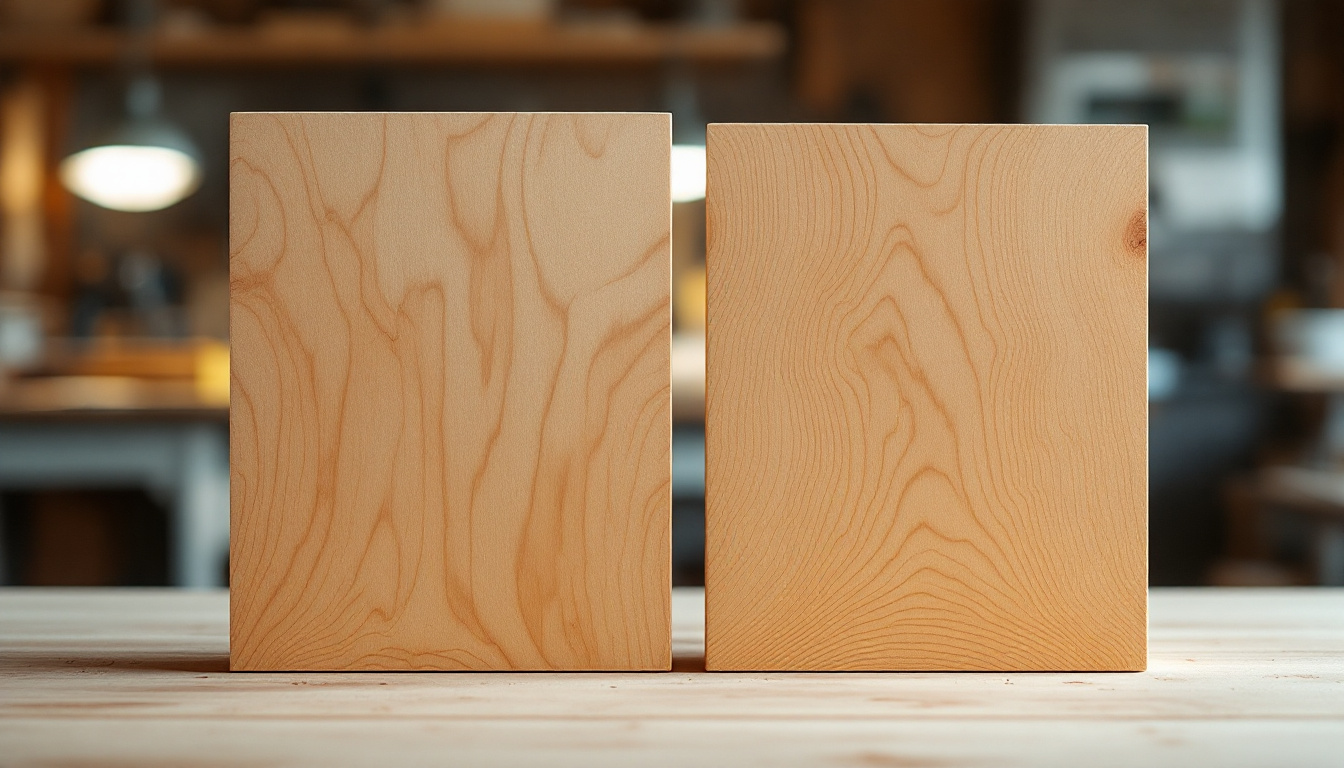
Choosing the right formwork plywood, commonly known as formply, is crucial for the success of any construction project. With the Australian market evolving and new innovations emerging, understanding the various options available can significantly impact your project’s efficiency, safety, and sustainability. This guide will help you navigate the complexities of selecting the right formply for your needs.
Understanding Formply: What Is It?
Formply Australia is a type of plywood specifically designed for use in concrete formwork. It is engineered to withstand the substantial forces exerted during the pouring of concrete, making it a vital component in construction projects across the country. The material is typically made from a combination of hardwood and softwood, providing a balance of strength and flexibility that meets the demanding standards of the Australian construction industry.
One of the key characteristics of formply is its waterproofing capability. This feature ensures that the plywood does not absorb moisture, which can lead to warping and degradation. Additionally, formply is lightweight, making it easier to handle and install, which is particularly beneficial on construction sites where time and efficiency are paramount.
Formply meets several criteria for sustainable building materials. It is not only durable but also recyclable, aligning with the growing emphasis on eco-friendly practices in the construction industry. With companies like Cemex leading the way in incorporating recycled materials into their products, the sustainability aspect of formply is becoming increasingly significant.
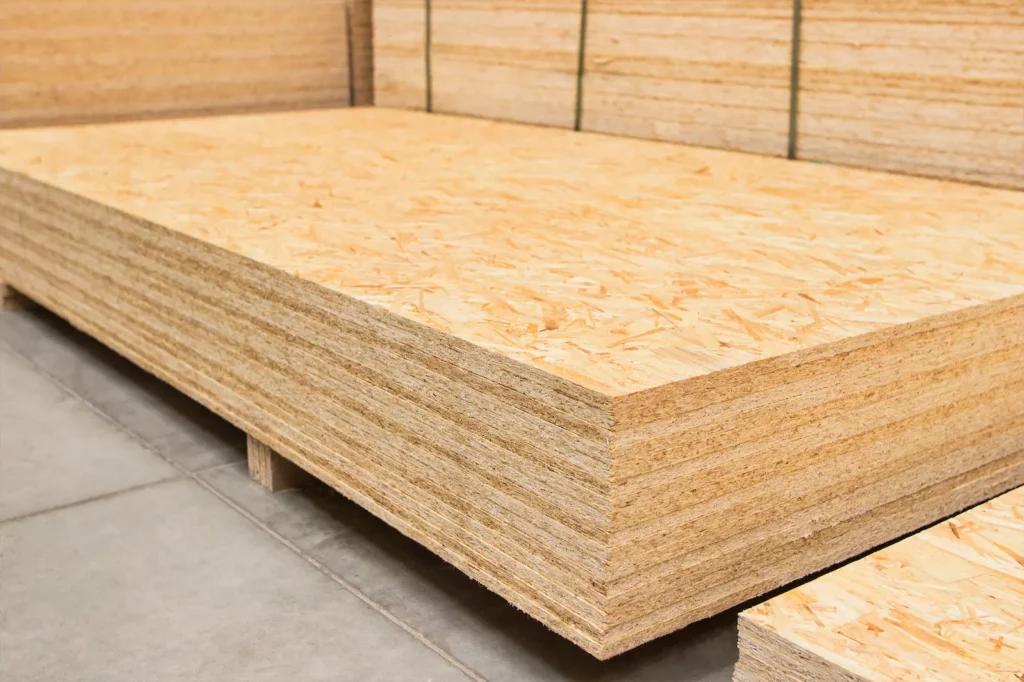
Key Factors to Consider When Choosing Formply
When selecting formply for your construction project, several factors should be taken into account. These include the specific requirements of your project, the environmental conditions, and the intended use of the formply.
1. Project Requirements
Understanding the specific requirements of your project is essential. Different projects may demand varying levels of strength, durability, and resistance to environmental factors. For instance, high-risk applications, such as those exposed to substantial forces from reinforcing steel and concrete, necessitate formply that meets stringent safety standards.
Consulting with engineers or construction experts can provide insights into the type of formply that will best suit your project. They can help assess the load-bearing requirements and recommend products that meet those specifications.
2. Environmental Conditions
The environmental conditions at the construction site play a significant role in determining the type of formply you should choose. Areas with high humidity or exposure to water require formply that is specifically designed to resist moisture. This will prevent potential damage and ensure the longevity of the material.
Additionally, consider the temperature fluctuations that may occur during the construction process. Extreme temperatures can affect the performance of formply, so selecting a product that can withstand these variations is crucial.
3. Intended Use
Formply can be used for various applications, from residential buildings to large commercial projects. Understanding the intended use will help you select the appropriate thickness and grade of formply. Thicker sheets may be necessary for heavy-duty applications, while lighter options might suffice for smaller projects.
Moreover, the finish of the formply can also influence its suitability for certain applications. For example, a smoother finish may be required for projects where aesthetics are a concern, while a rougher finish might be adequate for more utilitarian purposes.
Types of Formply Available in Australia
The Australian market offers a variety of formply options, each with unique characteristics and benefits. Familiarising yourself with these types can help you make an informed decision.
1. Standard Formply
Standard formply is the most commonly used type in construction. It is suitable for a wide range of applications and is designed to provide a good balance between strength and weight. This type is often used in residential and commercial projects where the demands are moderate.
Standard formply is typically available in various thicknesses, allowing builders to choose the right option based on their specific needs. It is also relatively cost-effective, making it a popular choice among contractors.
2. Structural Formply
For projects that require enhanced strength and durability, structural formply is the ideal choice. This type is engineered to withstand higher loads and is often used in commercial and industrial applications. It is particularly beneficial in situations where the formwork will be subjected to significant pressure from concrete pouring.
Structural formply is usually thicker and heavier than standard options, providing the necessary support for demanding projects. While it may come at a higher cost, the investment can pay off in terms of safety and reliability.
3. Eco-Friendly Formply
With sustainability becoming a key focus in the construction industry, eco-friendly formply options are gaining popularity. These products are made from recycled materials and are designed to minimise environmental impact while maintaining performance standards.
Choosing eco-friendly formply not only supports sustainable practices but can also enhance your project’s reputation. Many clients and stakeholders are increasingly prioritising environmentally responsible choices, making this an attractive option for modern construction projects.
Safety Considerations When Using Formply
Safety should always be a top priority when working with formply. The failure of formwork can have serious consequences, including injury to personnel and damage to property. Understanding the safety standards and regulations that apply to formply use is essential.
1. Compliance with Standards
Ensure that the formply you choose complies with Australian safety standards. This includes checking for certifications that indicate the product has been tested for strength and durability. Compliance not only ensures safety but also protects you from potential legal issues down the line.
Consulting with industry professionals can help you navigate the regulatory landscape and ensure that your choice of formply meets all necessary requirements.
2. Proper Installation Techniques
Even the best formply can fail if not installed correctly. Proper installation techniques are crucial for ensuring the safety and effectiveness of the formwork. This includes securing the formply adequately and ensuring that it is level and stable before pouring concrete.
Training your team on the correct installation methods can significantly reduce the risk of accidents and ensure that the formwork performs as intended.
3. Regular Inspections
Conducting regular inspections of the formwork during the construction process is vital. This allows you to identify any signs of wear or damage early on, preventing potential failures. Regular checks can also help ensure that the formply remains in compliance with safety standards throughout the project.
Establishing a routine for inspections can enhance safety and contribute to the overall success of your construction project.
Cost Considerations and Budgeting
Budgeting for formply is an essential aspect of project planning. The cost of formply can vary significantly based on the type, thickness, and quality of the material. Understanding these costs can help you make informed decisions without compromising on safety or performance.
1. Evaluating Costs
When evaluating costs, consider not only the price of the formply itself but also any associated expenses, such as delivery and installation. It’s essential to factor in the total cost of ownership, which includes potential maintenance and replacement costs over time.
Comparing different suppliers and products can help you find the best value for your budget. However, be cautious of opting for the cheapest option, as this may lead to higher costs in the long run due to potential failures or safety issues.
2. Long-Term Investment
Investing in high-quality formply may require a larger upfront cost, but it can save you money over time. Durable formply is less likely to need replacement and can reduce the risk of accidents, which can be costly in terms of both finances and reputation.
Consider the long-term implications of your choice. A well-chosen formply can enhance the overall quality of your construction project and contribute to its success.
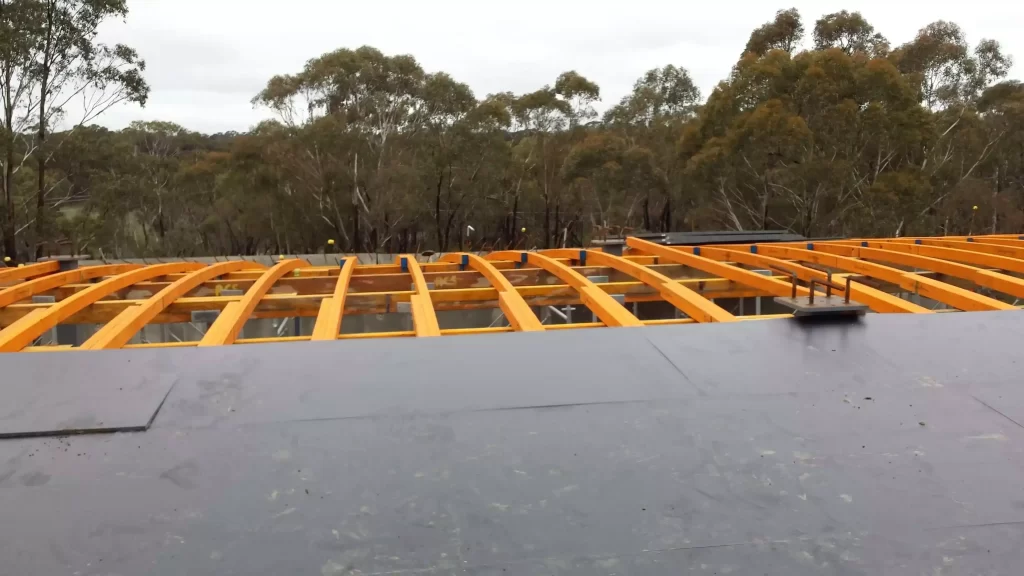
Conclusion: Making the Right Choice
Choosing the right formply for your construction project in Australia involves careful consideration of several factors, including project requirements, environmental conditions, and safety standards. By understanding the different types of formply available and their respective benefits, you can make an informed decision that aligns with your project’s needs.
Ultimately, the right formply will not only enhance the efficiency and safety of your construction project but also contribute to its sustainability. As the market continues to evolve, staying informed about innovations and best practices will ensure that you are well-equipped to make the best choices for your projects.
Learn about: Why Builders Prefer F14 Grade Plywood for Concrete Formwork