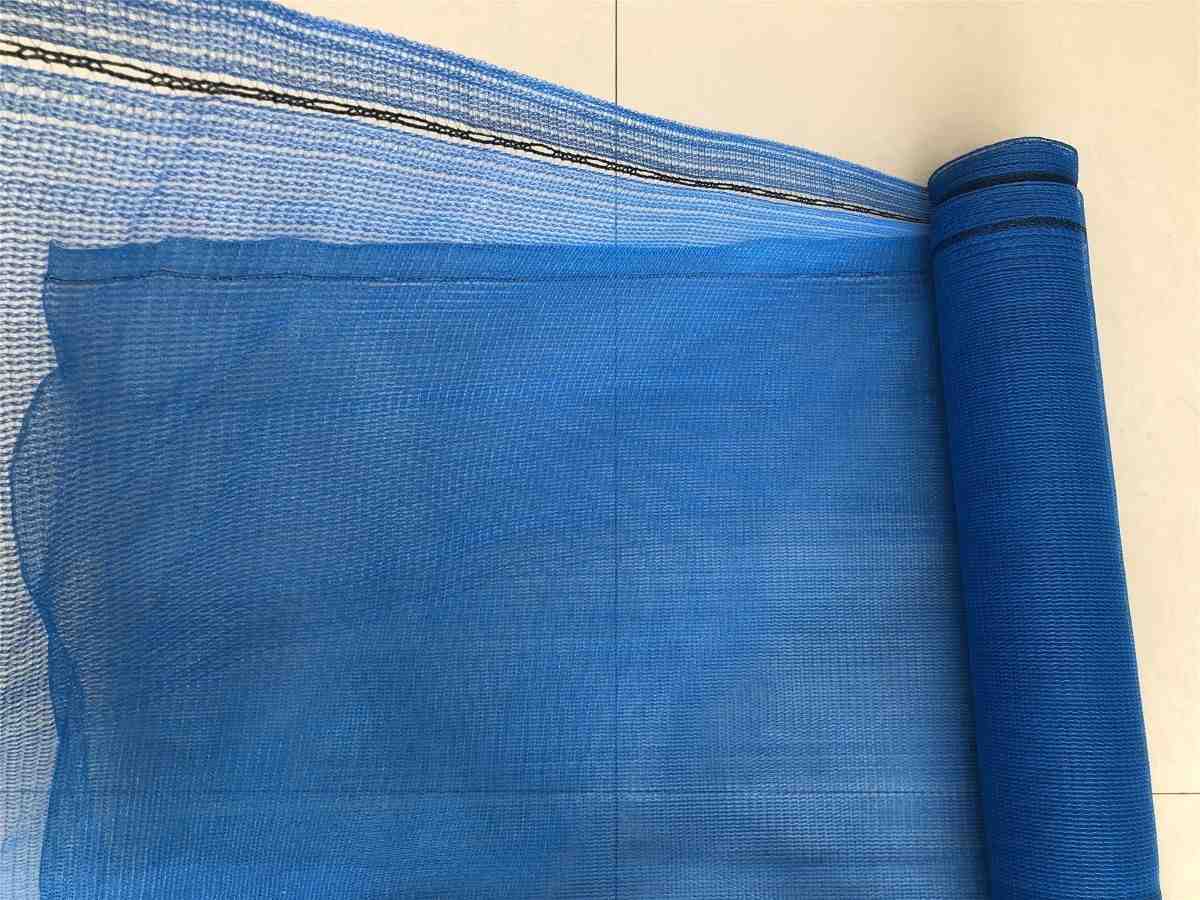
It is often treated like a minor accessory. In practice, it is part of the site’s risk controls and should be planned like any other scaffold component.
What is scaffold shade cloth and what does it do?
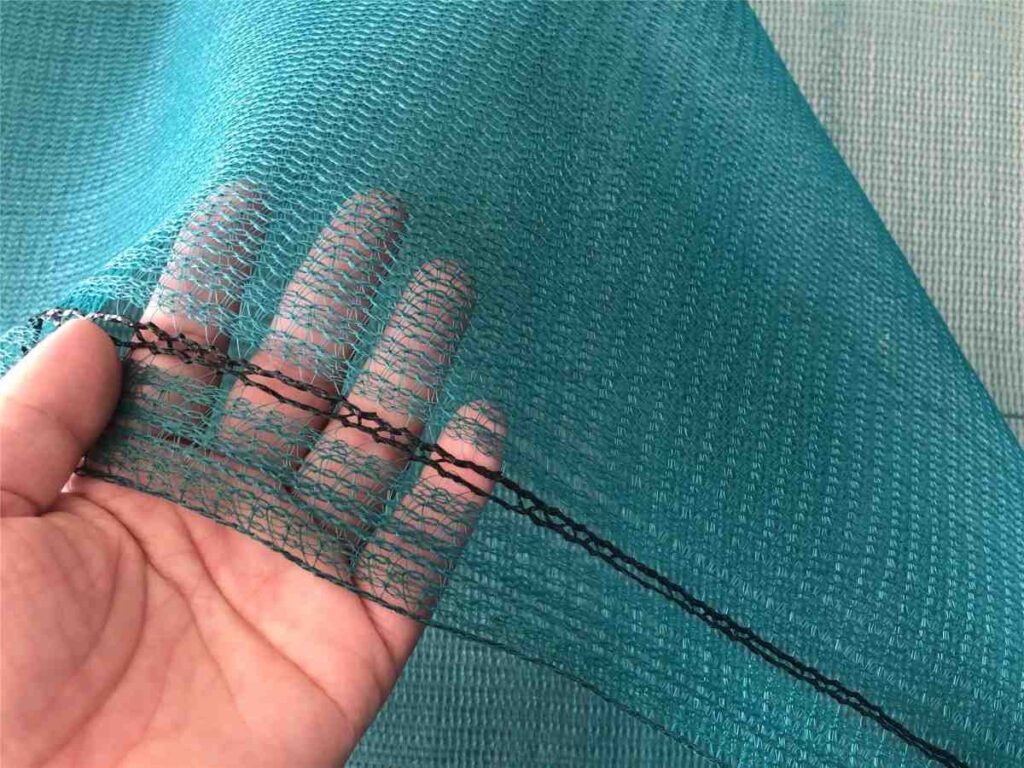
Scaffold shade cloth is a mesh fabric fixed to scaffolding to create a semi-permeable barrier. It helps contain light debris and dust, provides visual screening, and can reduce sun exposure for workers and materials.
Because it is permeable, it allows some airflow while still buffering gusts and limiting the “sail effect” compared with solid sheeting. The exact performance depends on the mesh percentage, fixings, and how continuous the coverage is.
Why can scaffold shade cloth improve safety outcomes on site?
It improves safety by adding a physical layer that reduces the chance of objects leaving the scaffold and striking people below. It can also lower nuisance dust spread and improve pedestrian safety where scaffolds sit near footpaths, entries, or neighbouring properties.
Shade cloth may also support safer working conditions by reducing glare and heat load on some elevations. That said, it is not a substitute for edge protection, toe boards, debris netting, or overhead protection when those are required.
How does scaffold shade cloth support site compliance and risk management?
It supports compliance by helping sites demonstrate practical controls for common risks such as falling objects, dust, and public interface hazards. When a site must manage containment near public areas, shade cloth can form part of a documented control set.
They should treat it as a control that needs evidence. That usually means the mesh type is specified, the installation method is defined, inspections are recorded, and any damage is repaired quickly.
Which types and mesh ratings are commonly used?
Common options include shade cloth rated by shade factor or mesh openness, such as 50%, 70%, or 90% style products. Higher coverage can improve screening and containment, but it can also increase wind loading.
Some products are sold as scaffold mesh, debris mesh, or shade mesh, and not all are equivalent. They should choose materials with clear specifications, suitable fire performance where required, and durability appropriate to UV exposure and project duration.
What should they consider about wind loading and “sail effect”?
Shade cloth can significantly change how wind acts on a scaffold, especially when large elevations are wrapped continuously. Even permeable mesh increases drag, and torn or loose sections can flap, amplify loads, and damage fixings.
They should ensure the scaffold design accounts for additional wind actions where needed. If conditions change, such as more coverage added later, the change should be reviewed rather than treated as a minor site tweak.
How should scaffold shade cloth be installed to stay secure?
It should be installed taut, evenly tensioned, and fixed at the correct spacing to prevent billowing. Overlaps should be consistent, and edges should be secured so wind cannot catch and peel the mesh back.
They should avoid improvised ties and use fixings that match the product and scaffold system. Gates, ladder bays, and loading areas need special detailing so shade cloth does not create snag hazards or block safe access.
What inspection and maintenance routine helps keep it compliant?
They should inspect shade cloth frequently, especially after high winds, storms, or scaffold alterations. The key checks are tears, UV degradation, loose ties, flapping sections, and gaps around corners or returns.
Maintenance should be immediate because small defects tend to grow quickly. Records should note what was inspected, what was found, and what was repaired, so the control remains credible during audits or incident reviews.
Where is scaffold shade cloth most useful?
It is most useful on scaffolds near public areas, schools, retail edges, footpaths, and high-traffic access points. It also helps on sites where grinding, cutting, or demolition creates light airborne debris and where visual screening is expected by clients or neighbours. You may like to visit https://www.health.vic.gov.au/environmental-health/airborne-dust to get more about airborne dust.
It can also be useful for protecting materials from direct sun in storage areas. They should still confirm that shade cloth is appropriate for the activity and does not conflict with ventilation needs or emergency access.
What are common mistakes that reduce safety benefits?
A common mistake is assuming any mesh is “good enough” without checking wind implications, flammability expectations, and the task-specific risk profile. Another is leaving torn or loose sections in place, which can create hazards rather than reduce them.
They also often under-detail corners, returns, and interfaces with overhead protection. Gaps at these points are where debris escapes and where compliance concerns usually appear first.
How can they specify scaffold shade cloth properly in a site plan?
They should specify the purpose, coverage areas, mesh rating, fixing method, and inspection frequency. They should also state who is responsible for installation, who signs off changes, and what triggers review, such as forecast winds or scaffold modifications.
If the scaffold is engineered, any added wrap should be coordinated with the scaffold provider so the design remains valid. Clear specification turns shade cloth from a “nice to have” into a managed control that improves safety and site compliance.
Related : Concrete Form Plywood: How to Choose the Right Sheet for Your Next Project
FAQs (Frequently Asked Questions)
What is scaffold shade cloth and how does it function on construction sites?
Scaffold shade cloth is a mesh fabric attached to scaffolding to create a semi-permeable barrier. It helps contain light debris and dust, provides visual screening, and reduces sun exposure for workers and materials. Its permeability allows airflow while buffering gusts and limiting the ‘sail effect’ compared to solid sheeting.
How does scaffold shade cloth enhance safety outcomes on site?
By adding a physical layer that reduces the chance of objects falling from scaffolds and striking people below, scaffold shade cloth improves safety. It also lowers nuisance dust spread and enhances pedestrian safety near footpaths, entries, or neighboring properties. Additionally, it can reduce glare and heat load for workers, supporting safer working conditions.
In what ways does scaffold shade cloth support site compliance and risk management?
Scaffold shade cloth aids compliance by demonstrating practical controls for risks like falling objects, dust, and public interface hazards. It should be treated as a documented control with specified mesh type, defined installation methods, recorded inspections, and prompt repairs of any damage to maintain credibility during audits or incident reviews.
What are common types and mesh ratings of scaffold shade cloth used in construction?
Common scaffold shade cloth options include mesh rated by shade factor or openness at 50%, 70%, or 90%. Higher coverage improves screening but increases wind loading. Products vary as scaffold mesh, debris mesh, or shade mesh; selecting materials with clear specifications, suitable fire performance, UV durability, and appropriate project duration is essential.
How should wind loading and the ‘sail effect’ be considered when using scaffold shade cloth?
Shade cloth changes wind dynamics on scaffolds by increasing drag even though it’s permeable. Torn or loose sections can flap, amplifying loads and damaging fixings. Scaffold designs must account for these additional wind actions; any changes in coverage should trigger a review rather than being treated as minor tweaks to ensure structural integrity.
What are best practices for installing scaffold shade cloth securely?
Shade cloth should be installed tautly with even tension and fixed at correct spacing to prevent billowing. Consistent overlaps and secured edges prevent wind from catching the mesh. Avoid improvised ties; use fixings compatible with the product and scaffold system. Special attention is needed around gates, ladder bays, and loading areas to avoid snag hazards or blocking safe access.