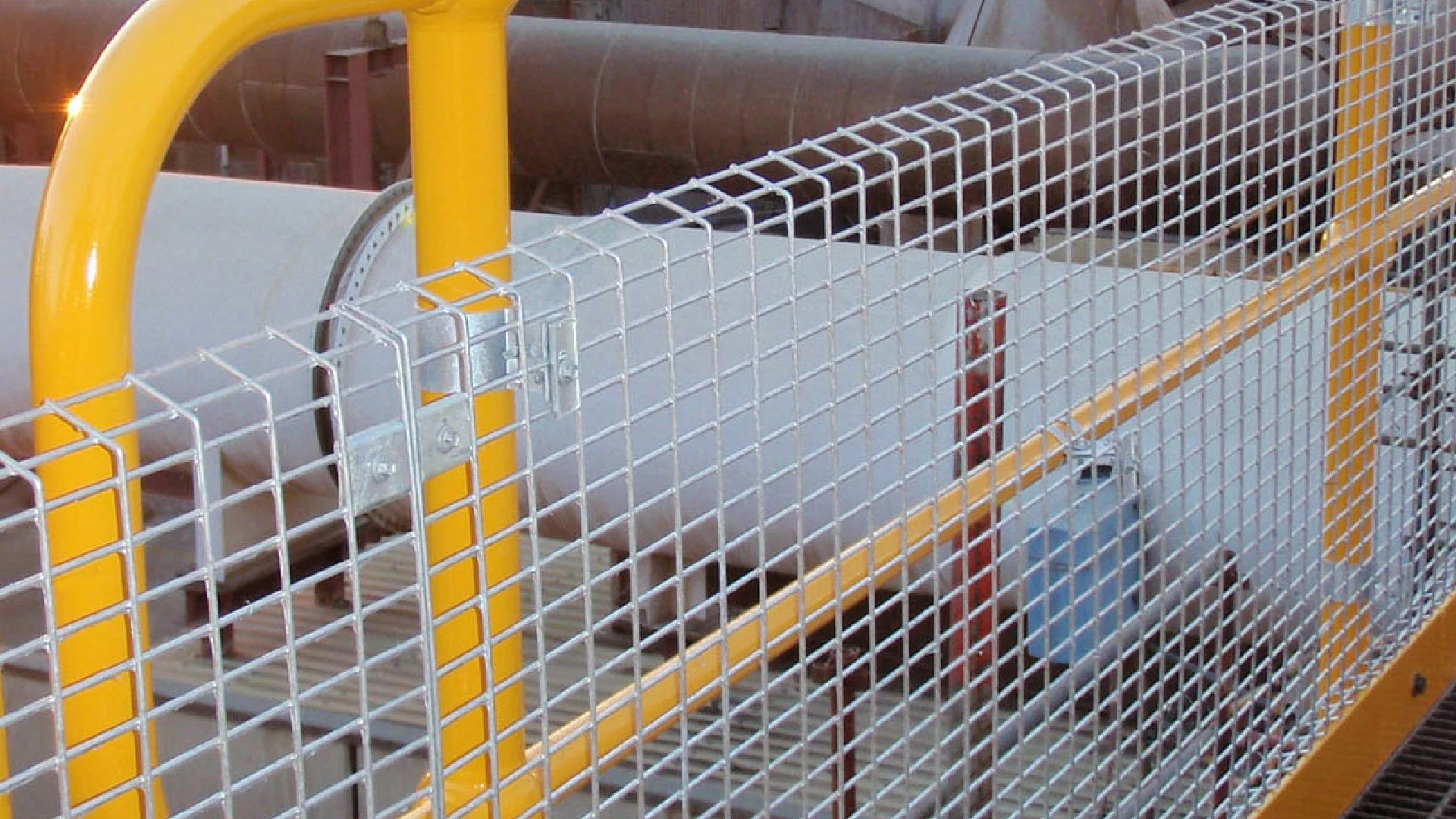
On paper, ordering Safety Mesh sounds simple. In reality, the smoothness of the whole job often comes down to three boring things people forget until it hurts: delivery timing, lead times, and whether the site can actually receive the gear.
This is a UK-focused guide to getting Safety Mesh onto site without the usual back and forth. Or worse, a lorry that cannot unload.
What needs to be confirmed before booking a Safety Mesh delivery?
They should confirm the delivery address, site contact, unloading method, and access restrictions before anything is dispatched. If those details are unclear, even perfectly made Safety Mesh can end up delayed, rejected, or left off site.
The basics matter: exact street address (not just the estate name), nearest cross street, and a contact who will pick up the phone.
They should also confirm whether delivery is to a depot, a builder’s laydown area, or directly to a level within a structure.
How long are typical lead times for Safety Mesh in the UK?
Typical lead times for Safety Mesh vary based on stock levels, custom sizing, and the supplier’s workload, but they often range from same week to several weeks. They should ask for a written lead time, not a guess.
If it is standard mesh panels or common roll sizes, suppliers in London, Manchester, Birmingham, Glasgow, or Bristol may dispatch quickly.
If it is custom edge binding, unusual dimensions, special fixings, or project labelled bundles, lead times can stretch. Public holidays and end of financial year surges can also bite.
What information should be provided to get an accurate lead time?
They should provide quantities, mesh type, dimensions, and the delivery postcode up front to get a real lead time. Without those, the lead time is usually a placeholder, and it changes later.
If the project is staged, they should mention staging. Suppliers plan production differently when they know they are sending partial deliveries over multiple weeks.
It also helps to say whether substitutions are acceptable. Sometimes a minor spec change keeps the programme moving. Sometimes it absolutely cannot. That one sentence saves days of emails.
When should Safety Mesh be ordered to avoid programme delays?
They should order Safety Mesh as soon as the fall protection design and installation windows are known, ideally before site works reach the relevant level or edge condition. Waiting until “next week” is how projects end up improvising.
If a job involves high rise, staged pours, or multiple elevations, they should align ordering with the construction sequence.
A practical approach is to book supply to arrive slightly ahead of the install crew, not the morning of. Because lorries get stuck in traffic. Or the site contact goes missing. It happens.
What delivery options are common for Safety Mesh and what do they involve?
Most suppliers offer standard courier, flatbed lorry delivery, or direct to site drop offs with time windows. They should choose the option that matches the site’s unload capability and restrictions.
Standard courier works for small items and fixings, sometimes small rolls.
Flatbeds and rigid lorries are more common for bulk Safety Mesh, posts, and brackets. That usually means they need a forklift, telehandler, or crane booking.
Some metro sites require booked slots. Some do not allow lorries during school pickup times. It is very local, very council dependent.
Who is responsible for unloading Safety Mesh on site?
In most cases, the site is responsible for unloading unless the supplier has explicitly included offload services. They should assume they need plant and labour ready when the truck arrives.
If it is a live construction site in Sydney CBD or inner Melbourne, offloading can be the hardest part, not the delivery itself.
They should confirm whether the driver can help. Often they cannot. Chain of responsibility and site rules are strict, and the driver will not risk it.
What site access issues commonly delay Safety Mesh deliveries?
The most common delays come from height restrictions, narrow streets, poor turning space, and missing traffic control. If the truck cannot enter, Safety Mesh does not magically appear inside.
Inner city sites often have loading zones that must be booked.
Regional sites can have the opposite problem. Long unsealed access roads after rain, limited turning circles, and no phone signal at the gate.
They should also think about security. If there is no induction or no gate pass, the driver may be turned away.
How should they plan for deliveries to high rise or restricted-access projects?
They should plan delivery around crane time, hoist availability, and the building’s material handling rules. For Safety Mesh on high rise projects, logistics is half the job.
It helps to define a drop point. Ground level laydown, a specific slab, or a materials platform.
If it must go up, they should confirm bundle sizes and weights so the crane lift plan works. If the bundles are too long for the hoist or too heavy for the platform, the site ends up breaking down pallets in the street. Which is, yes, as painful as it sounds.
What documents or compliance details might be needed at the gate?
They may need delivery dockets, SWMS for unloading, and sometimes product documentation depending on the principal contractor. For Safety Mesh deliveries, gate staff often ask for the booking reference and the consignee name.
Large sites may require the driver to show proof of induction or a QR code booking.
Some also request a CoC or product spec sheet, especially when the mesh is part of a certified edge protection system. It is better to email documents the day before than argue at the boom gate.
What is the best way to coordinate Safety Mesh delivery with installers?
They should coordinate delivery to arrive ahead of the install start, with a buffer for access and unloading. If installers are waiting on Safety Mesh, labour costs burn fast.
Installers also need the right mix of components. Mesh, posts, brackets, toe boards, fixings, and any special connectors.
A simple check is to send the installers the packing list before delivery. If something is missing, it can be chased while the truck is still in transit, not after everything is scattered across the laydown.
How can they reduce the risk of damage or missing items during delivery?
They should request clearly labelled bundles, protected edges, and a packing list that matches the staged delivery plan. With Safety Mesh, damage usually happens at corners, during offload, or when bundles are dragged.
They should photograph deliveries on arrival, especially on large multi drop projects.
If the mesh is stored temporarily, it should be kept off the ground and away from standing water. On coastal sites, salt air and wet storage can cause surface corrosion faster than people expect, particularly if packaging is torn.
What should they do if a Safety Mesh delivery is late or cannot access the site?
They should contact the supplier immediately, confirm the truck’s location, and decide whether to redirect, reschedule, or hold at a depot. If Safety Mesh cannot access the site, leaving it on the street is rarely an option.
If the site missed the booked slot, they should ask the supplier what rebooking looks like. Some carriers charge redelivery fees, some require 24 to 48 hours’ notice.
If access is the issue, they should consider a smaller truck, split loads, or delivery to a nearby logistics yard. In Sydney and Melbourne, that workaround is common.
How does regional and remote delivery affect lead times across Australia?
Regional and remote deliveries typically add transit time and reduce booking flexibility, especially for WA, Far North Queensland, and remote NT sites. They should factor this in early, because Safety Mesh delays in remote areas are harder to recover.
Carriers may only service certain towns on set days.
Weather can cut roads. Flooding in Queensland or bushfire-affected routes in NSW and Victoria can change plans quickly.
They should also confirm whether the delivery location has unloading equipment. Remote sites sometimes assume the truck has a Hiab. Often it does not.
What questions should they ask a supplier before placing the order?
They should ask about stock availability, realistic dispatch dates, delivery method, and what is included in the quote. For Safety Mesh, a few direct questions save a lot of confusion later.
They should ask:
- What is the current lead time, and is it guaranteed or estimated?
- Is delivery booked to a time window or just a date?
- What truck type is planned, and what unload is required?
- Are bundles labelled by level or area?
- What is the process if access fails or the site is closed?
Those questions are not fussy. They are normal. And they make the delivery boring, which is the goal.
What is a simple checklist they can use for Safety Mesh delivery and access?
They should run a short checklist 48 hours before delivery to confirm everything still makes sense. For Safety Mesh, that last check catches the silly stuff, like a road closure nobody mentioned.
Checklist:
- Correct site address and best entry point confirmed
- Site contact name and mobile number confirmed
- Delivery time slot booked and approved
- Induction or gate process confirmed
- Unloading plant booked and on site
- Laydown area clear and accessible
- Packaging and labelling requirements agreed
- Weather and access risks reviewed
If they do only one thing from this article, it should be that checklist. It keeps delivery, lead times, and site access from becoming the most stressful part of the build.
FAQs (Frequently Asked Questions)
What key details must be confirmed before booking a Safety Mesh delivery in the UK?
Before booking a Safety Mesh delivery, confirm the exact delivery address including street and nearest cross street, site contact who will answer calls, unloading method, and any access restrictions. Clarify if delivery is to a depot, builder’s laydown area, or directly to a specific level within the structure to avoid delays or rejected deliveries.
How long are typical lead times for ordering Safety Mesh in the UK?
Lead times vary depending on stock levels, custom sizing, and supplier workload but typically range from same week dispatch to several weeks. Standard mesh panels or common roll sizes usually dispatch quickly from major UK cities, whereas custom orders or special fixings may extend lead times. Always request a written lead time rather than an estimate.
What information should I provide to get an accurate lead time for Safety Mesh?
Provide quantities, mesh type, precise dimensions, and delivery postcode upfront. If your project is staged or requires multiple deliveries over time, mention this along with whether substitutions are acceptable. This detailed info helps suppliers plan production accurately and prevents later changes to lead times.
When is the best time to order Safety Mesh to prevent programme delays?
Order Safety Mesh as soon as fall protection design and installation windows are known—ideally before site works reach the relevant level or edge condition. For complex projects like high rise or staged pours, align ordering with construction sequencing and arrange for supply to arrive slightly ahead of the install crew to accommodate potential traffic or site contact issues.
What delivery options are available for Safety Mesh and how do they affect unloading?
Common delivery options include standard courier for small items, flatbed lorry deliveries for bulk mesh and posts, and direct-to-site drop-offs with scheduled time windows. Choose based on your site’s unloading capabilities; bulk deliveries often require forklifts, telehandlers, or cranes. Some sites have strict local council restrictions requiring booked slots or avoiding certain times like school pickups.
Who is responsible for unloading Safety Mesh on site in the UK?
Typically, the site is responsible for unloading unless offload services are explicitly included by the supplier. Ensure plant and labour such as forklifts or telehandlers are ready when the truck arrives. Drivers usually cannot assist due to chain of responsibility rules and site safety regulations.
Other resources
Scaffold Shade Cloth: Improving Safety and Site Compliance