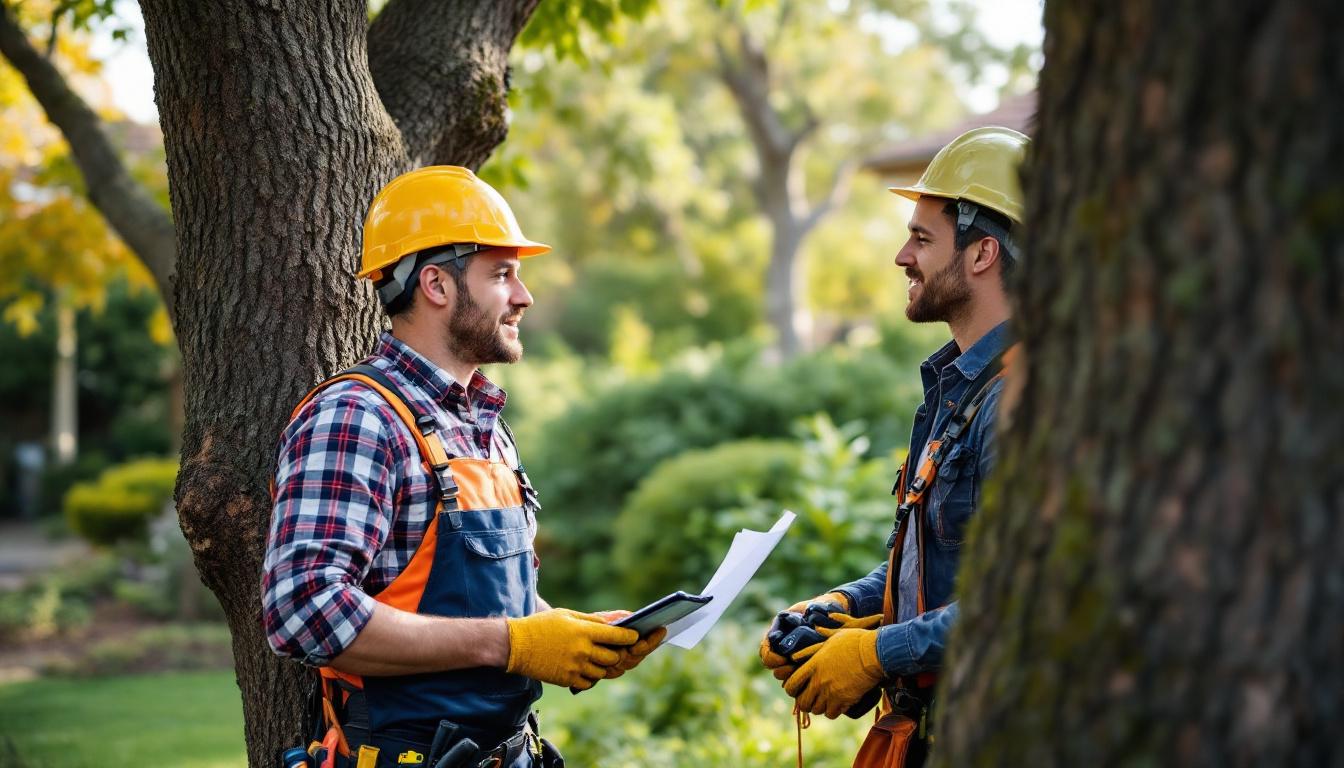
When a property backs onto bushland in Roseville, a straightforward job often becomes a staged, carefully managed process. Tree Removal Roseville can take longer near bushland because access is tighter, safety controls are stricter, and approvals are more likely to apply.
In Sydney’s North Shore, crews also plan around wildlife, fire risk, and nearby neighbours. That extra planning time is usually what protects people, homes, and the surrounding reserve.
Why does bushland proximity change the scope of work?
Bushland edges create more hazards and more things to protect, so crews add steps before a saw even starts. In many cases, Tree Removal Roseville near reserves needs a larger exclusion zone, extra rigging, and a slower dismantle to avoid damage beyond the fence line.
They may also need to prevent limbs from dropping into regenerating areas, tracks, or drainage lines. That caution adds time but reduces the risk of environmental harm and costly clean-ups.
Which council rules can slow Tree Removal Roseville near bushland?
Local rules can trigger approvals, especially where trees are protected or the site is environmentally sensitive. For Roseville, that usually means checking requirements linked to Ku-ring-gai Council controls, including tree preservation expectations and documentation.
Where approvals apply, Tree Removal Roseville can’t be booked like a next day service. They often wait on confirmation, schedule inspections, or provide reports and photos to support the application, which extends the timeline.
How do protected species and habitat considerations add time?
Bushland corridors support native birds, possums, microbats, and lizards, and hollows can be active habitat. If a tree has hollows, nests, or signs of fauna, crews often pause to assess and may refer to a wildlife carer before proceeding.
For Tree Removal Roseville, that can mean rescheduling to avoid breeding periods, adjusting the removal method, or leaving a habitat tree standing where possible. These decisions are slower, but they are common near reserves and gullies.
Why is access harder on bushland-adjacent blocks?
Lots near bushland often sit on slopes, have narrow side paths, and include soft ground that machinery can’t cross. They may also have limited street parking and fewer safe spots for lowering branches.
That access challenge makes Tree Removal Roseville slower because crews use smaller equipment, carry gear further, and dismantle the tree in smaller sections. The work itself is similar, but the set-up and pack-down can take significantly longer.
How does bushfire risk affect timing and methods?
Near bushland, crews think about ember pathways, dry fuel loads, and the spread of debris. They may avoid certain cutting methods on high fire danger days and manage wood and leaf litter more carefully.
For Tree Removal Roseville, this can add time through extra site clean-up, chipper positioning, and staged removal of material. They may also schedule around Total Fire Ban days, where equipment use and work practices can change.
Why do safety exclusions and traffic control take longer?
Bushland edges can be unpredictable, with falling deadwood, leaning trees, and unstable soil. Crews often set wider exclusion zones, use more spotters, and choose slower rigging to keep everything within the boundary.
If the site is near a road, footpath, or walking track, traffic and pedestrian management can also add delays. With Tree Removal Roseville, they may need signage, cones, and controlled lowering so nothing swings into public space.
How do powerlines and service cables complicate removals?
Bushland-adjacent streets often have overhead lines and communications cables running along the verge. If branches are close to live lines, crews may need a more conservative approach, or coordination with the electricity distributor.
That coordination can extend lead times for Tree Removal Roseville, even when the job looks small from the ground. They may also reduce the pace of cutting and lowering to maintain safe clearances at every stage.
Why is the work slower when they must dismantle the tree piece by piece?
In tight sites near bushland, dropping large sections is rarely an option. Crews instead climb or use an elevated work platform, rig each limb, and lower it into a controlled landing zone.
This method is often the safest option for Tree Removal Roseville on the bush interface, but it is slower by design. Each cut needs a rope plan, a clear communication call, and a stable landing spot to avoid property damage and environmental impact.
How do weather and ground conditions near bushland cause delays?
Gullies and bushland edges hold moisture longer, and shaded slopes can stay slick even after light rain. Wet ground affects footing, climbing safety, and the ability to move heavy rounds without slipping.
For Tree Removal Roseville, crews may postpone to avoid accidents or prevent rutting lawns and damaging roots of retained trees. Even when they proceed, they may work more slowly, with extra stabilisation and careful material handling.
Why do neighbours and shared boundaries create extra steps?
Bushland-adjacent properties often share long boundaries with multiple homes, and a tree can overhang several lots. Crews may need clearer permissions, better communication, and more precise control to keep debris within the agreed area.
If a fence line backs onto a reserve, there is also less room to manoeuvre. Tree Removal Roseville can take longer because they may need to protect fences, gardens, sheds, and bushland edges at the same time, which increases set-up and coordination.

How does green waste disposal and clean-up take longer near reserves?
On a suburban block, trucks and chippers can often sit close to the drop zone. Near bushland, they may need to keep machinery on hardstand, avoid root zones, and carry material further by hand.
This makes the final stage of Tree Removal Roseville slower, particularly if they must leave the site tidy without scattering chips or seed-bearing material into the reserve. Some jobs also require stump grinding or root management, which adds another visit.
What can they do to speed up Tree Removal Roseville near bushland?
They can reduce delays by planning early and confirming approvals before booking. Tree Removal Roseville is usually faster when the property owner provides clear photos, identifies access points, and flags any nearby hazards like powerlines, steep slopes, or narrow driveways.
It also helps when they book outside peak storm recovery periods, allow space for a chipper and truck, and agree on a realistic scope, including whether stump grinding and full green waste removal are included.
How should they set realistic expectations for timeframes?
They should expect more than one stage: assessment, approvals if needed, booking, the removal day, then final clean-up and any stump work. Near bushland, each stage can take longer because crews aim for controlled outcomes rather than speed.
For Tree Removal Roseville, the best expectation is that the job time depends less on the tree’s height and more on access, risk, and what surrounds it. A careful schedule is usually a sign they are taking safety and compliance seriously.
Related : What Makes Hunters Hill Tree Services Different On Heritage Blocks?